From a small boat bought in 1956 to Norway's largest family-owned high-speed boat company. The story of Rødne, told through three generations on the fjords.
“A forward-thinking, innovative and growing family-owned high-speed boat company, with roots in the fjord and eyes on the future.”
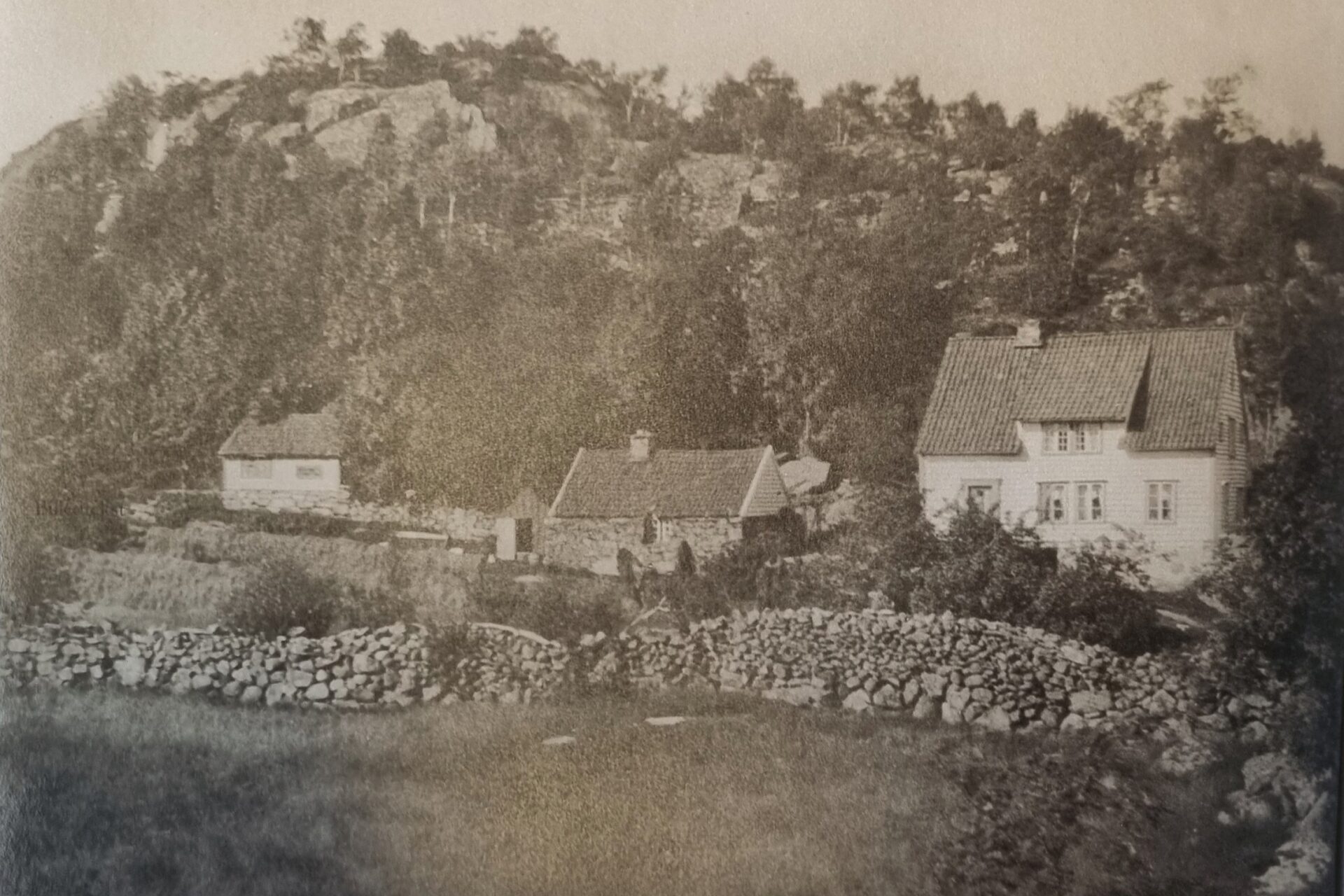
In the spring of 1928, Børe Andreas Larsson Rødne left Erfjord for the island of Kyrkjøy and bought one of the small farms at Norheimsberget. It's a sheltered spot right by the water, just before the channel between Kyrkjøy and Bjergøy opens up toward Nedstrandsfjorden.
Ludvig, the oldest son, took over from his father. He made his living from both land and sea: livestock, fruit and berries on the farm, herring fishing in late winter and lobster fishing in season.
Ludvig and Adele had a son, Børre. When he was old enough for school, they didn’t want him crossing the poor old stone bridge and the soggy fields on his own. So they rowed him there. It was the start of a lifelong story where the sea is the road that connects everything.
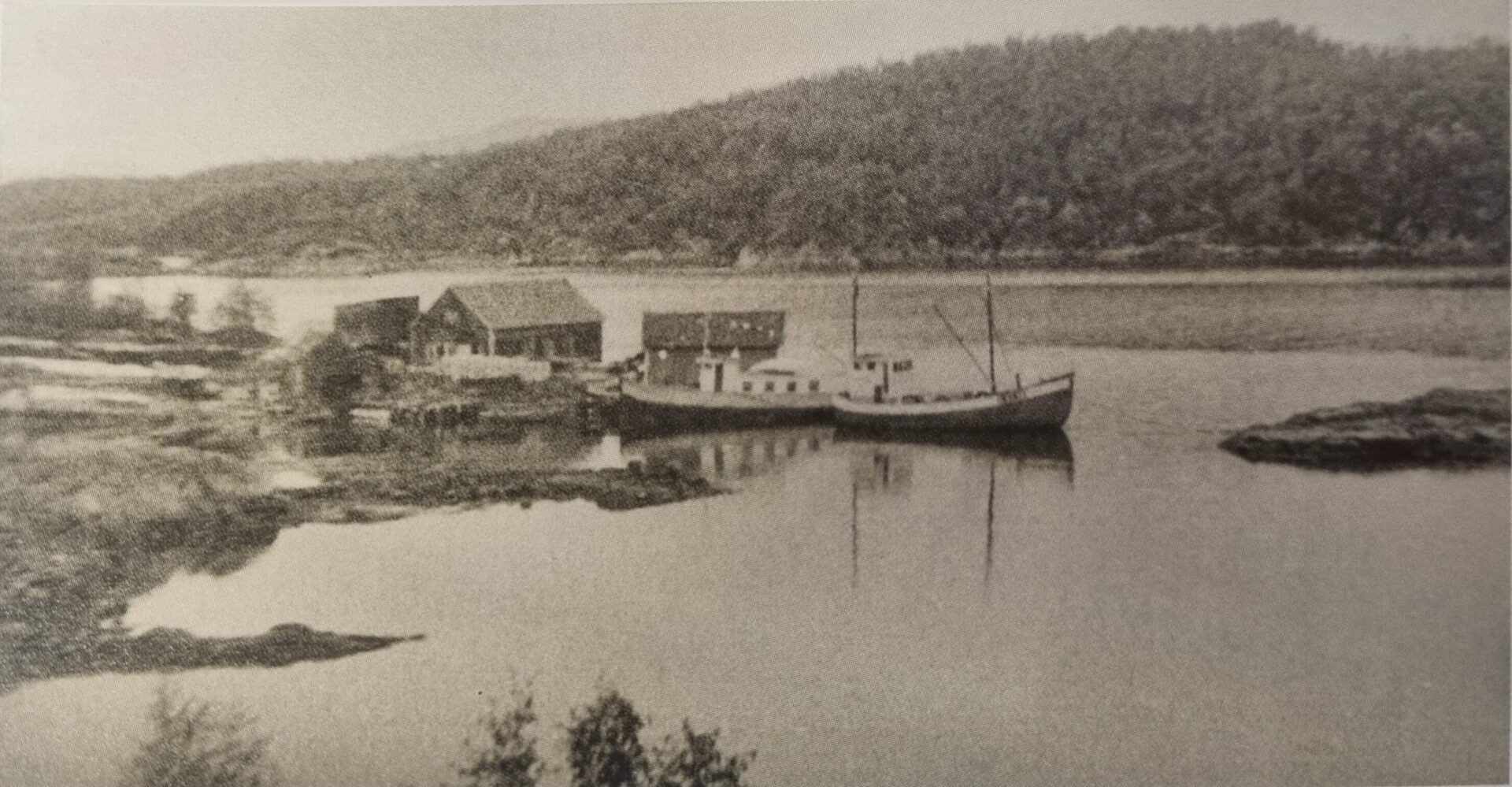
Electricity reached the Sjernarøy islands. Ludvig bought an old barn, shipped it over and put it back up at Norheimsberget. It became a sawmill and box factory, one of the first industrial businesses in what was then Sjernarøy municipality.
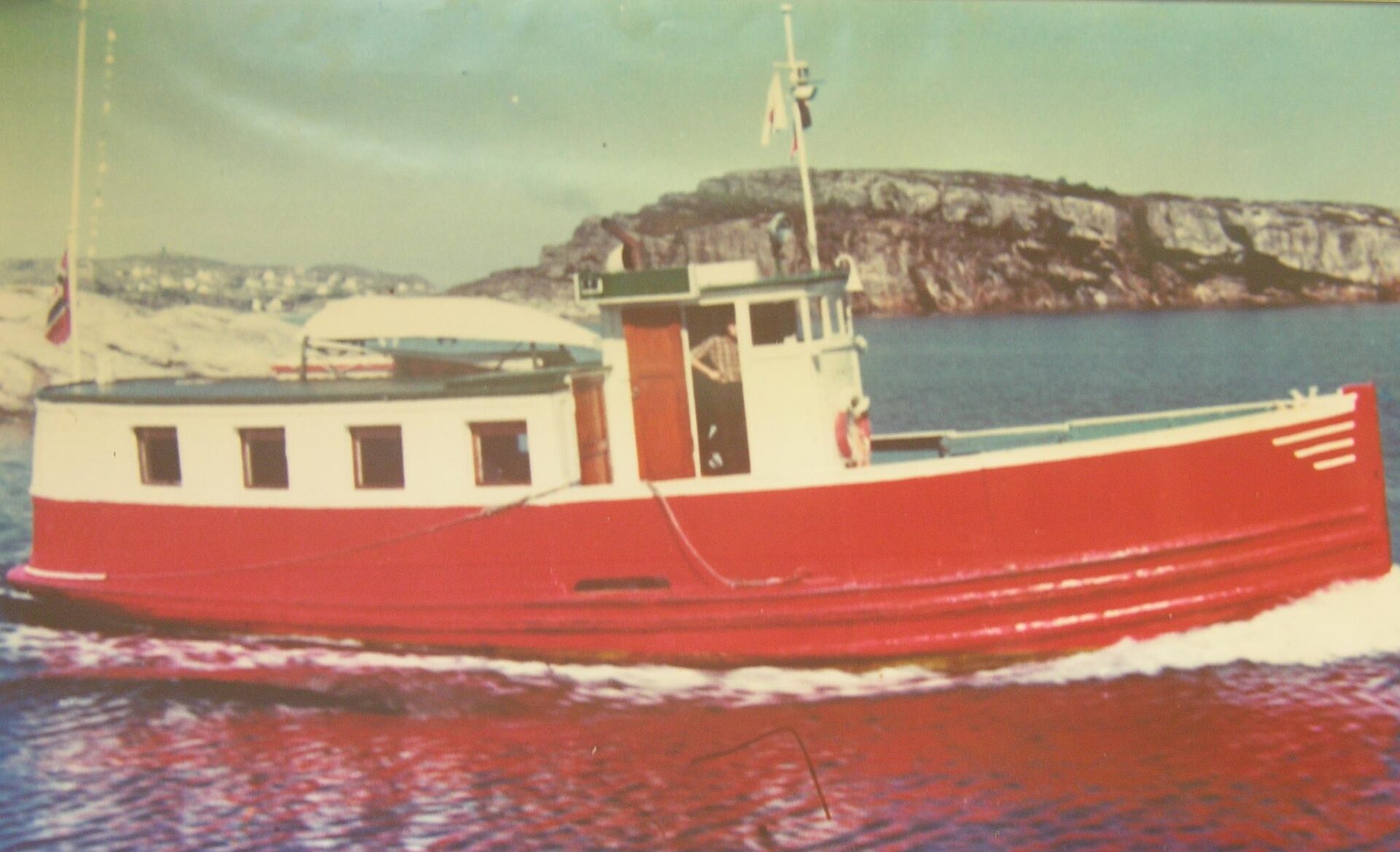
Ludvig founded L. Rødne og Sønner (L. Rødne & Sons) and bought the boat “Trippen” from the City of Stavanger for NOK 7,500. He renamed it Øygut, and the high-speed boat company we are today was born. The very first job? Taking teenagers to confirmation classes at the church on Kyrkjøy. From Hidle and Ombo, it was simply too far to row.
As the small island schools closed one by one, Øygut took over the job of getting the kids to school on Bjergøy. We kept running the school route by boat right up until it ended in 2025.
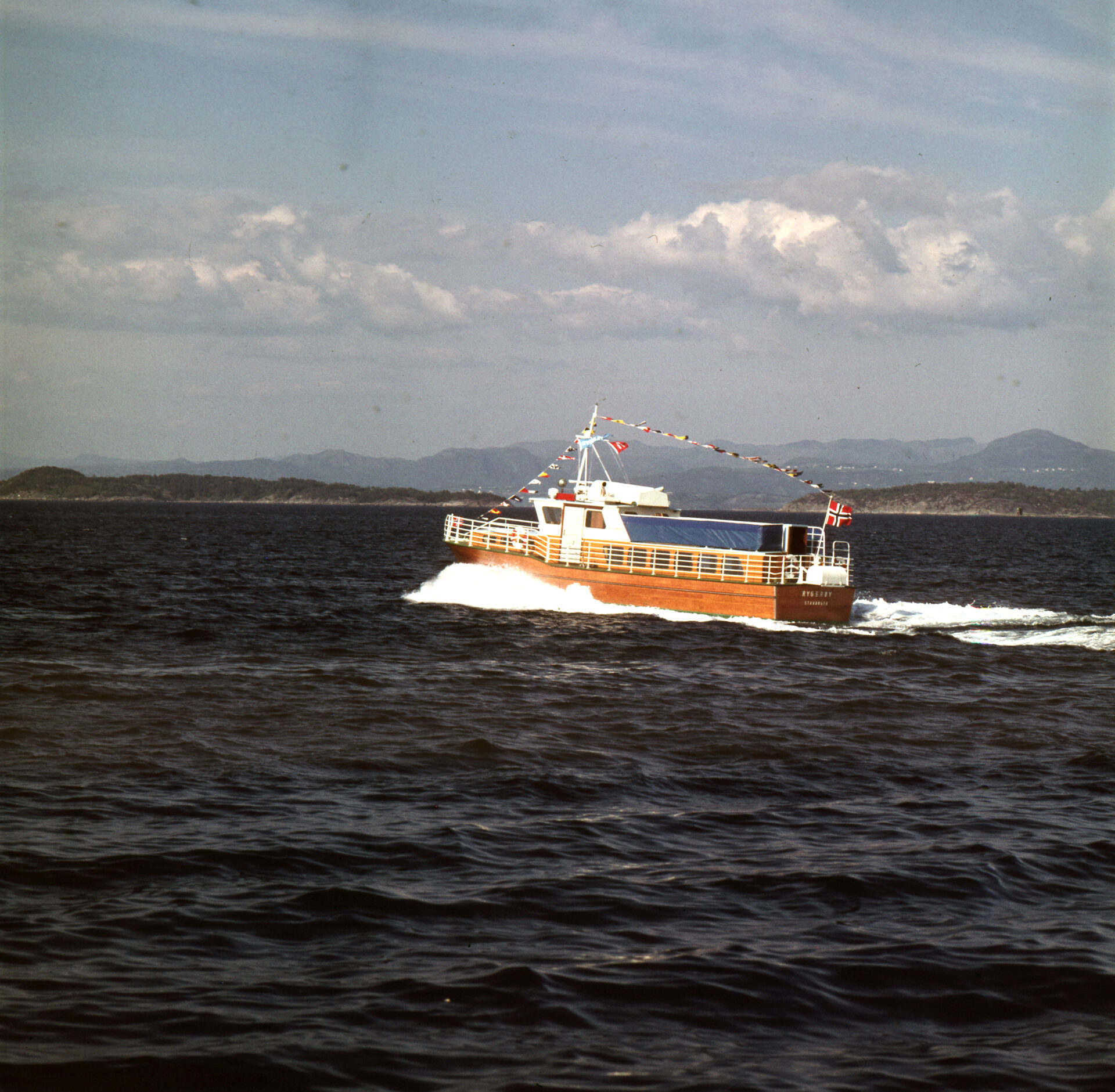
This was the year of our first boat with a name starting with Ryger. Ludvig found the word in Snorre's sagas of the Norse kings: in the old days, the people of Ryfylke were called Ryger. He liked it so much that he gave the name to several new boats, and since 1998 almost every new boat has carried it. The same year, we started running an ambulance boat service for Ryfylke.
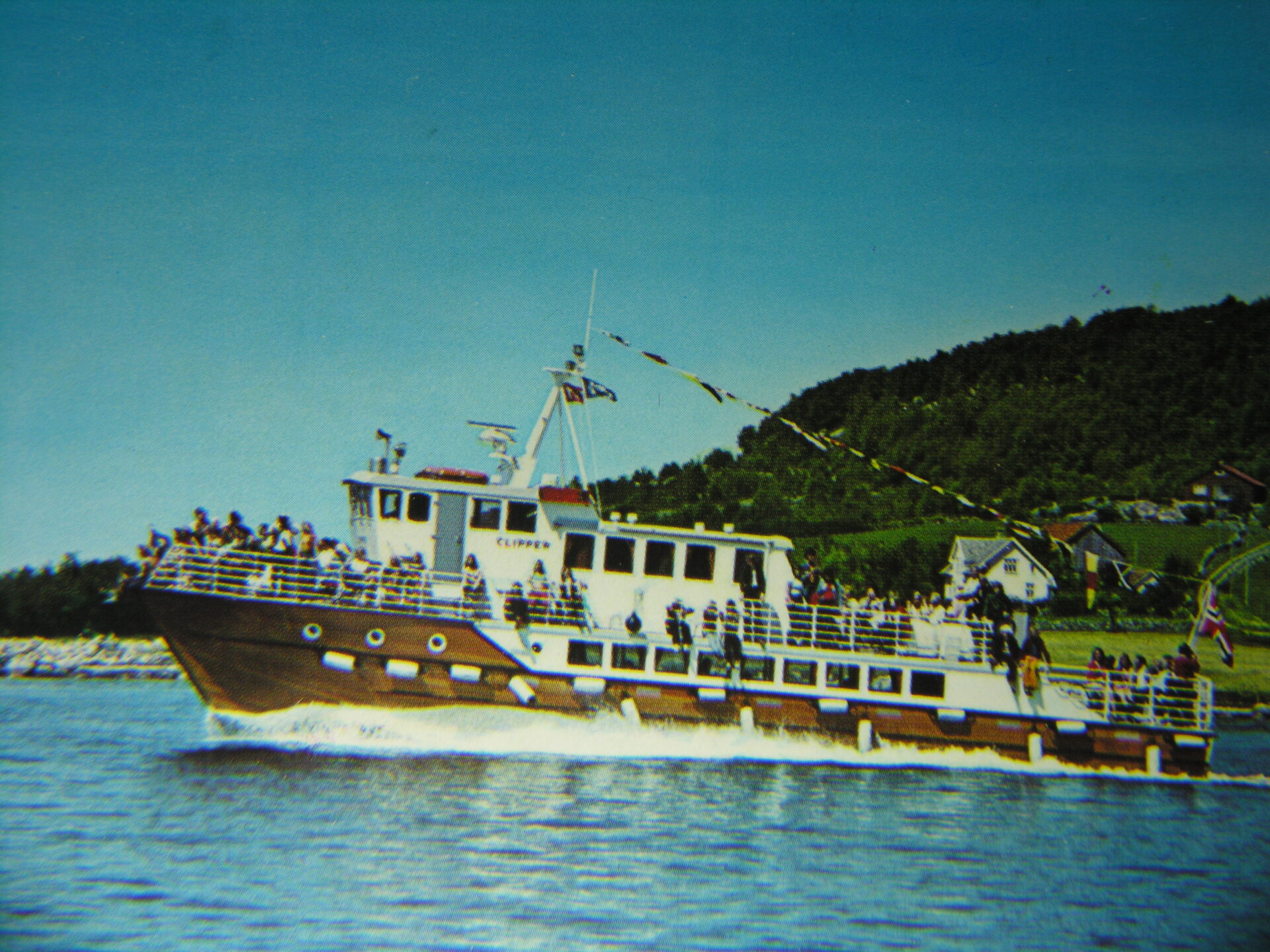
We launched our first regular summer cruise to Lysefjord. It would become the foundation for the company's signature experience: the cruise to Preikestolen (Pulpit Rock).
We bought our first freight truck. Until the late '90s, we also ran freight trucks, flour trucks and crane trucks, taking the business from sea to land.
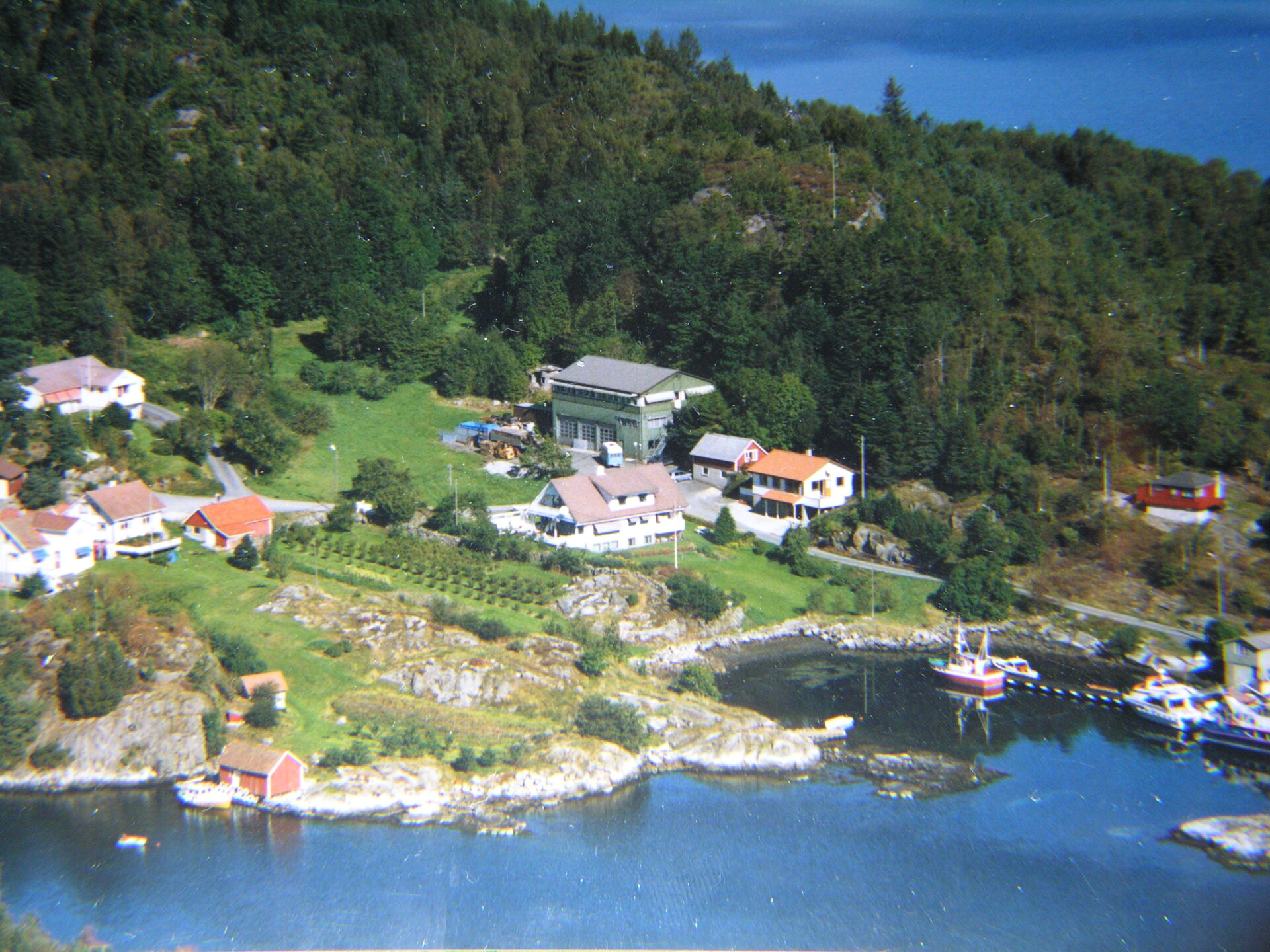
We built a new garage and finally moved into two small offices. Until then, the company had been run from the bedroom of Børre, the oldest son. With 18 employees and 5 boats, the company sees itself as a forward-thinking, innovative and growing family-owned shipping company.
We opened a sales office in Stavanger, our first step toward becoming more than a small boat company from Sjernarøy.
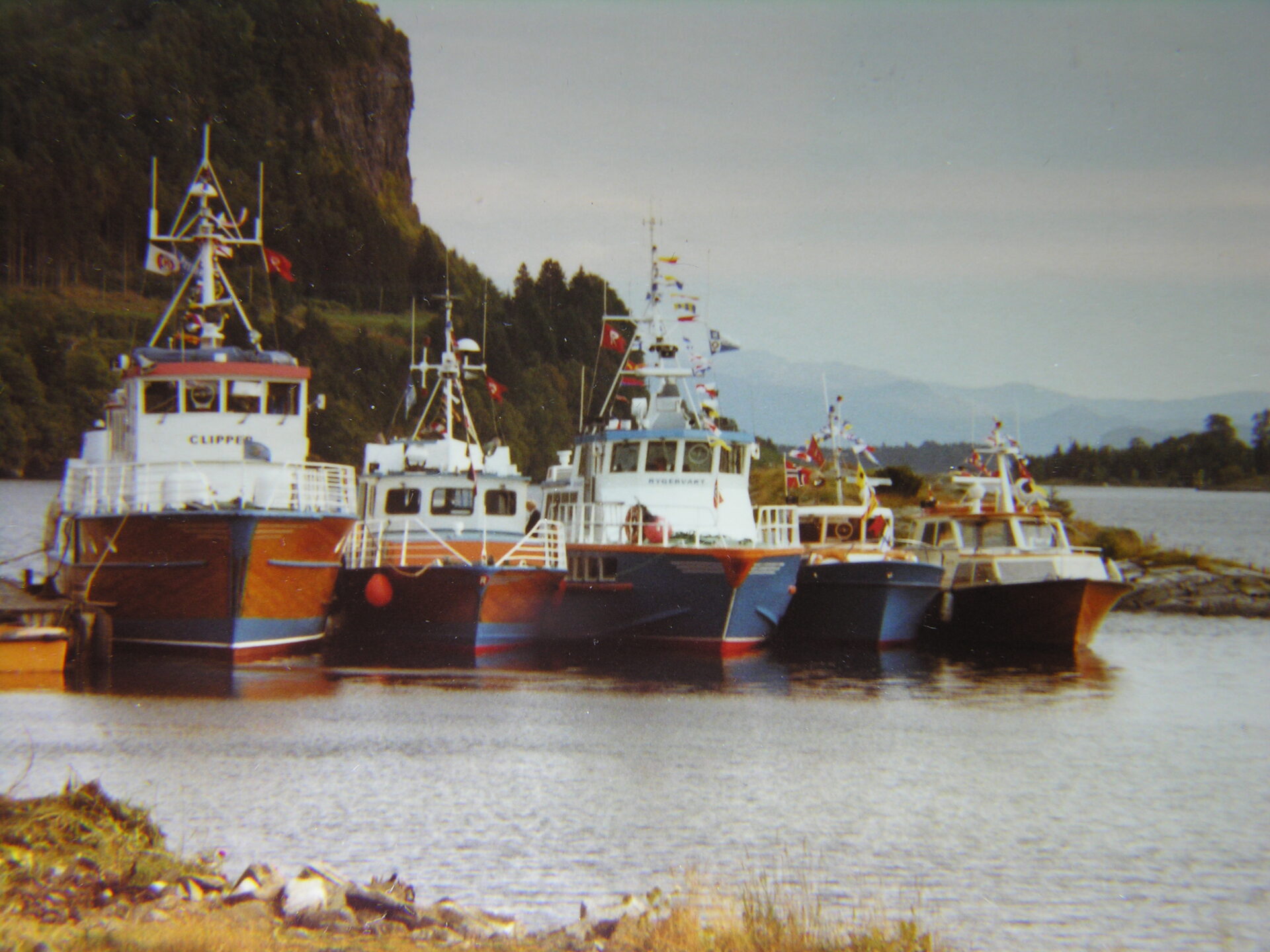
After almost three decades as a family business, L. Rødne og Sønner became an incorporated company. An important step in the organisation after almost three decades as a family business.
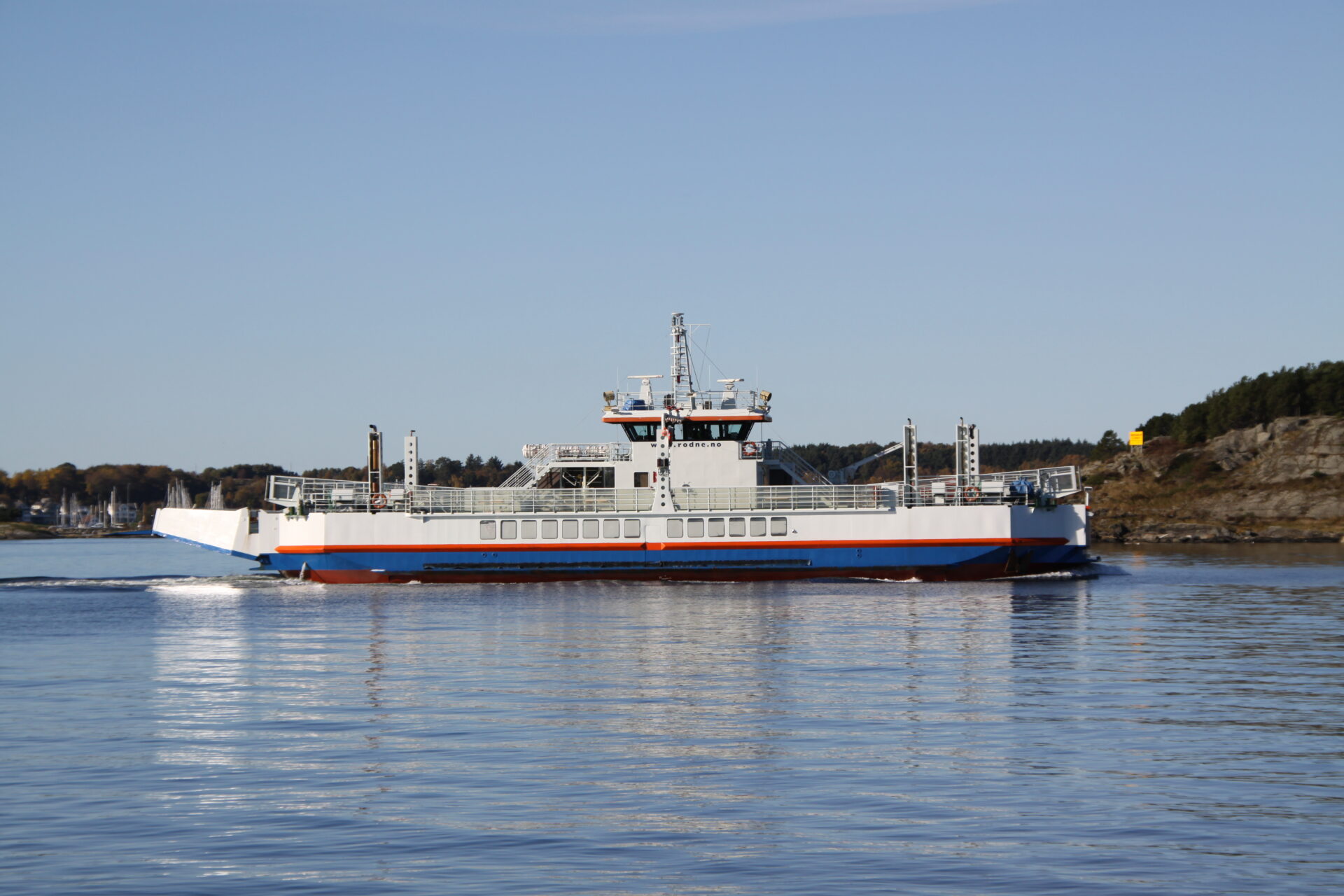
We won our very first public contract: the route to the islands just outside Stavanger, with one ferry and two high-speed boats. We built Rygerbuen for the route, and she still sails it today as part of the Vassøy route. In 2025 she was converted to electric.
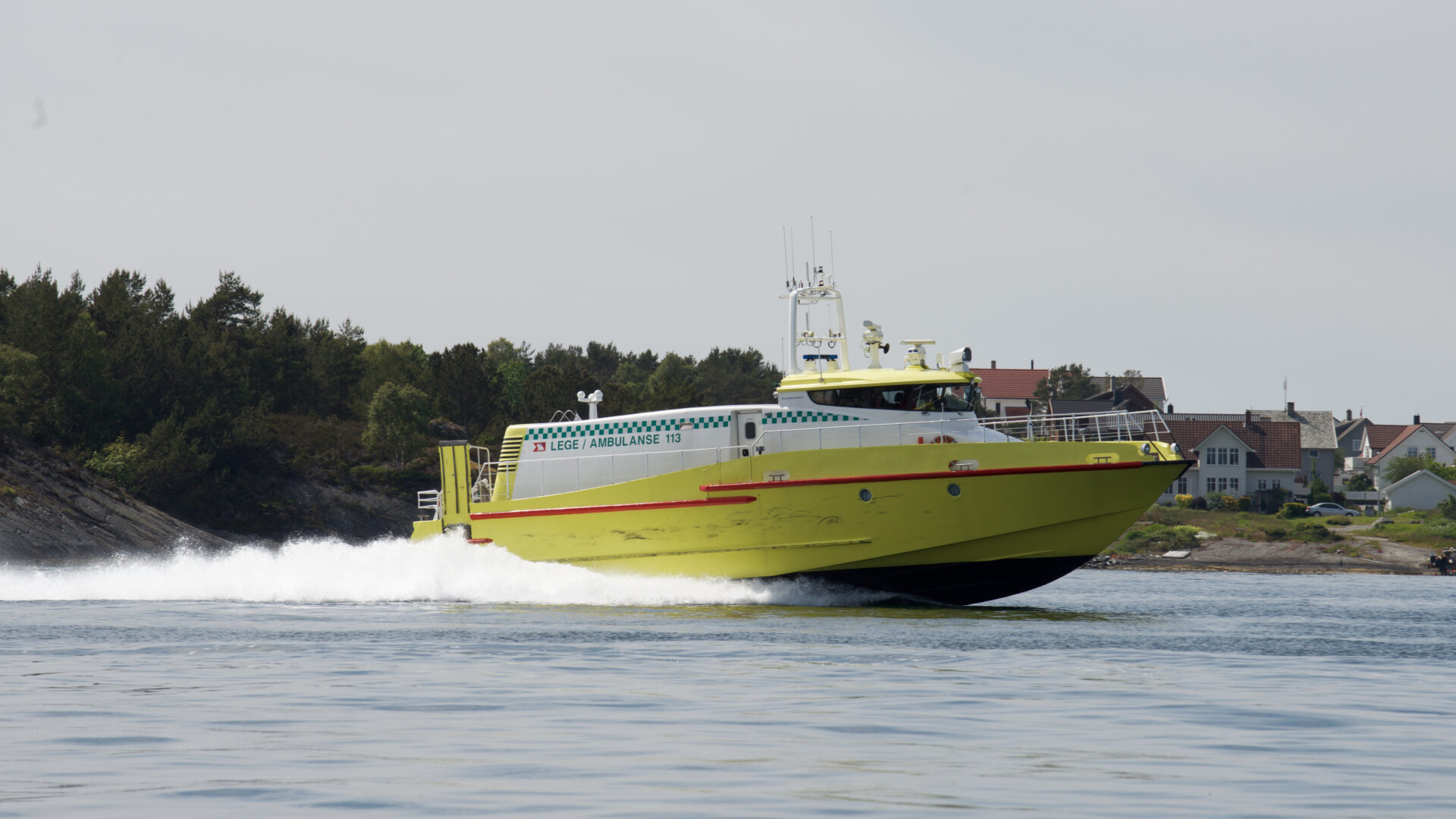
Together with the shipyard Brødrene Aa, we built our first carbon fiber boat. Rygerdoktoren was the first vacuum-infused civilian carbon fiber boat ever built, and she got attention far beyond Norway.

A year after Rygerdoktoren, we ordered a passenger catamaran made from the same material. Brødrene Aa delivered Rygerkatt in June 2003, the world's first commercial passenger boat in carbon fiber, and she went into service between Stavanger, the city islands and Hommersåk. The carbon fiber made the hull 40 percent lighter, so she was faster and used less fuel. Rygerkatt became the model for the catamarans that followed.
Our scheduled routes carried around 350,000 passengers, plus around 100,000 guests from cruise tourism. What started as one small boat had grown into a company with 75 employees and 15 boats.
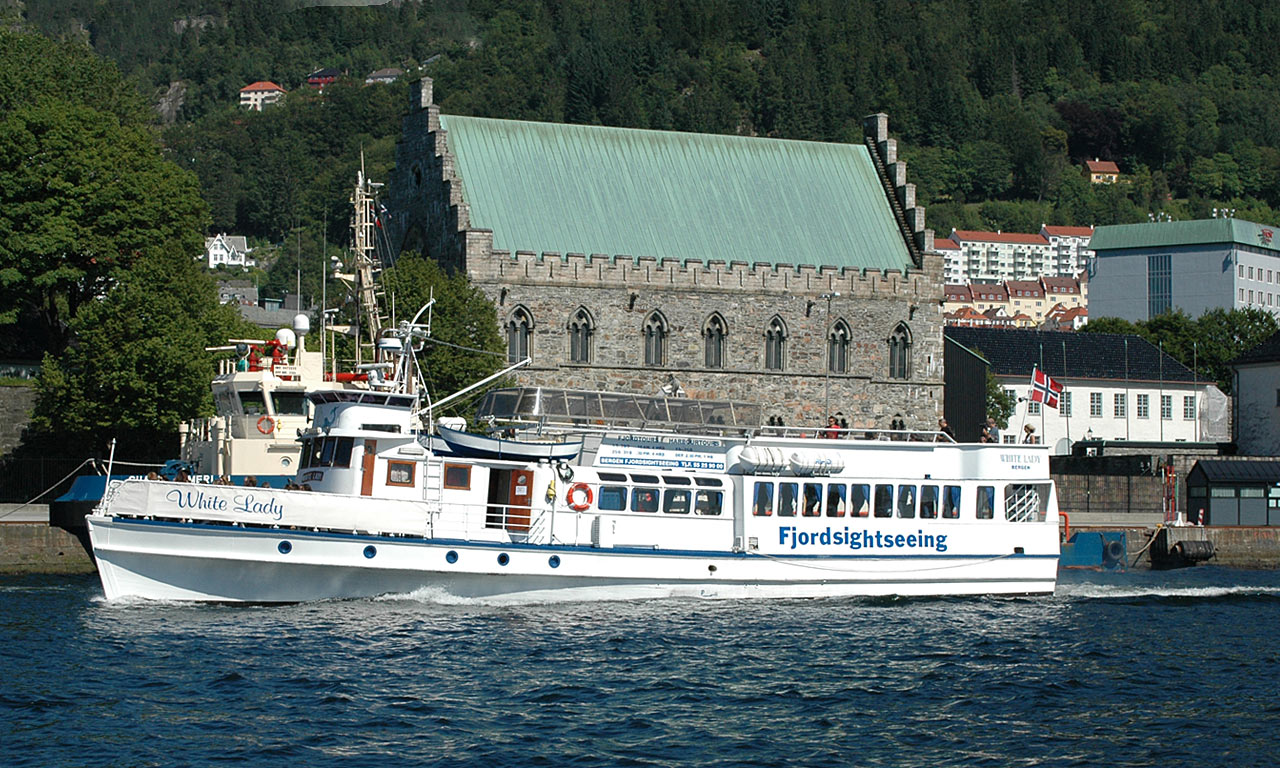
We started our fjord cruises from Bergen, out along the Osterfjord to the spectacular Mostraumen straits. In November that same year, Rygervakt was delivered: the first ambulance boat ever built as a catamaran. She had a fire pump and a water cannon in the bow and was stationed in Austevoll, just outside Bergen.

We built a new head office and workshop on Sjernarøy, still right where it all began at Norheimsberget, but now in a bright, modern building with solar panels on the roof. More than 90 years after Børe Andreas moved here, the heart of the company is still the same.
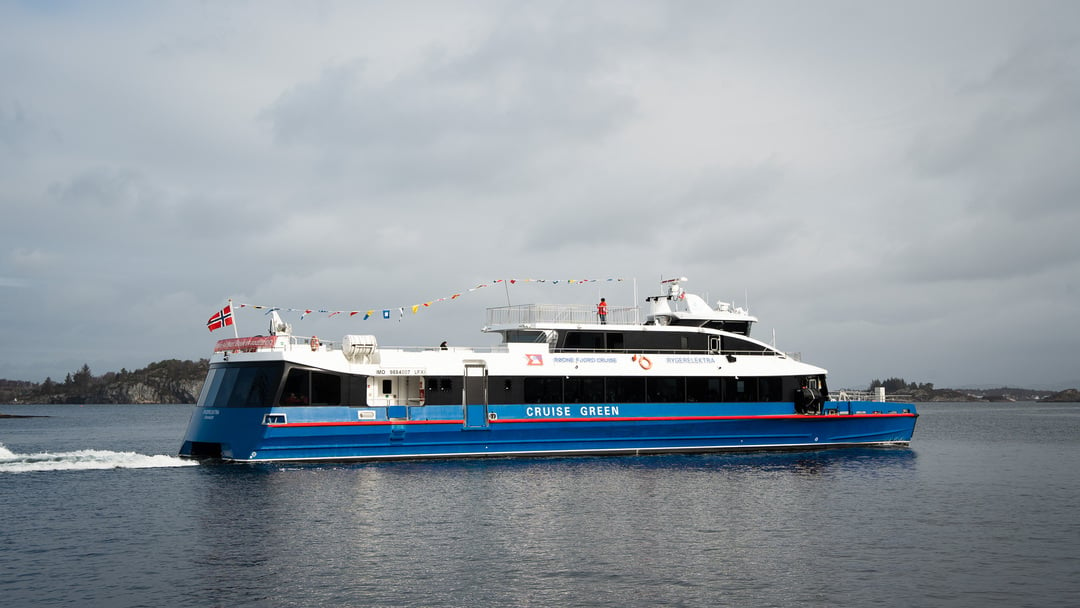
Rygerelektra joined the fleet as our first fully electric boat in Stavanger. Guests glide through Lysefjord with zero emissions and hardly a sound, with nothing but the fjord around them.
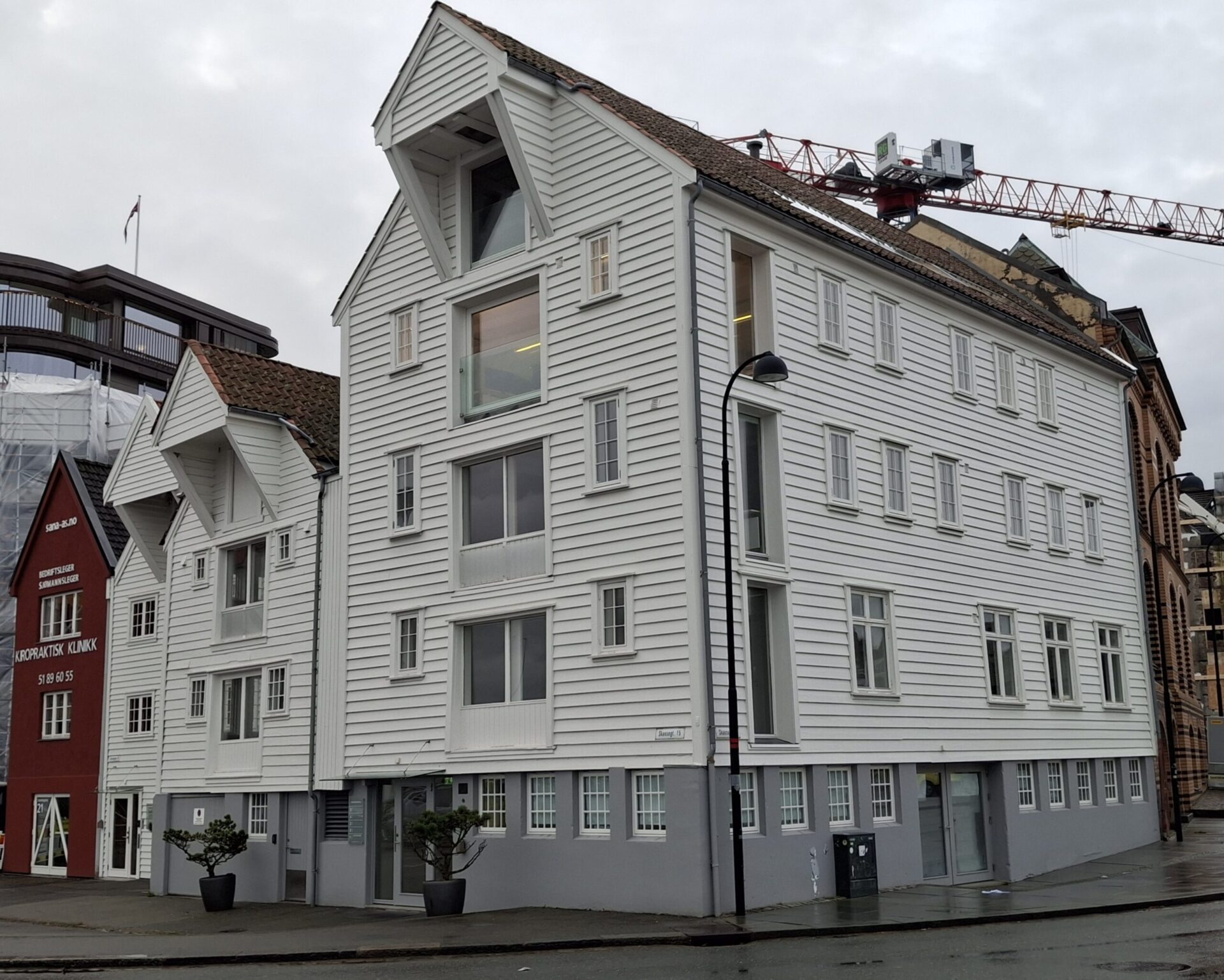
In December, we expand and bought Rødnehuset in downtown Stavanger. It is a milestone that anchors the company in the heart of the city that has been our gateway to Lysefjord since 1974. The same year, the long-standing school route came to an end.
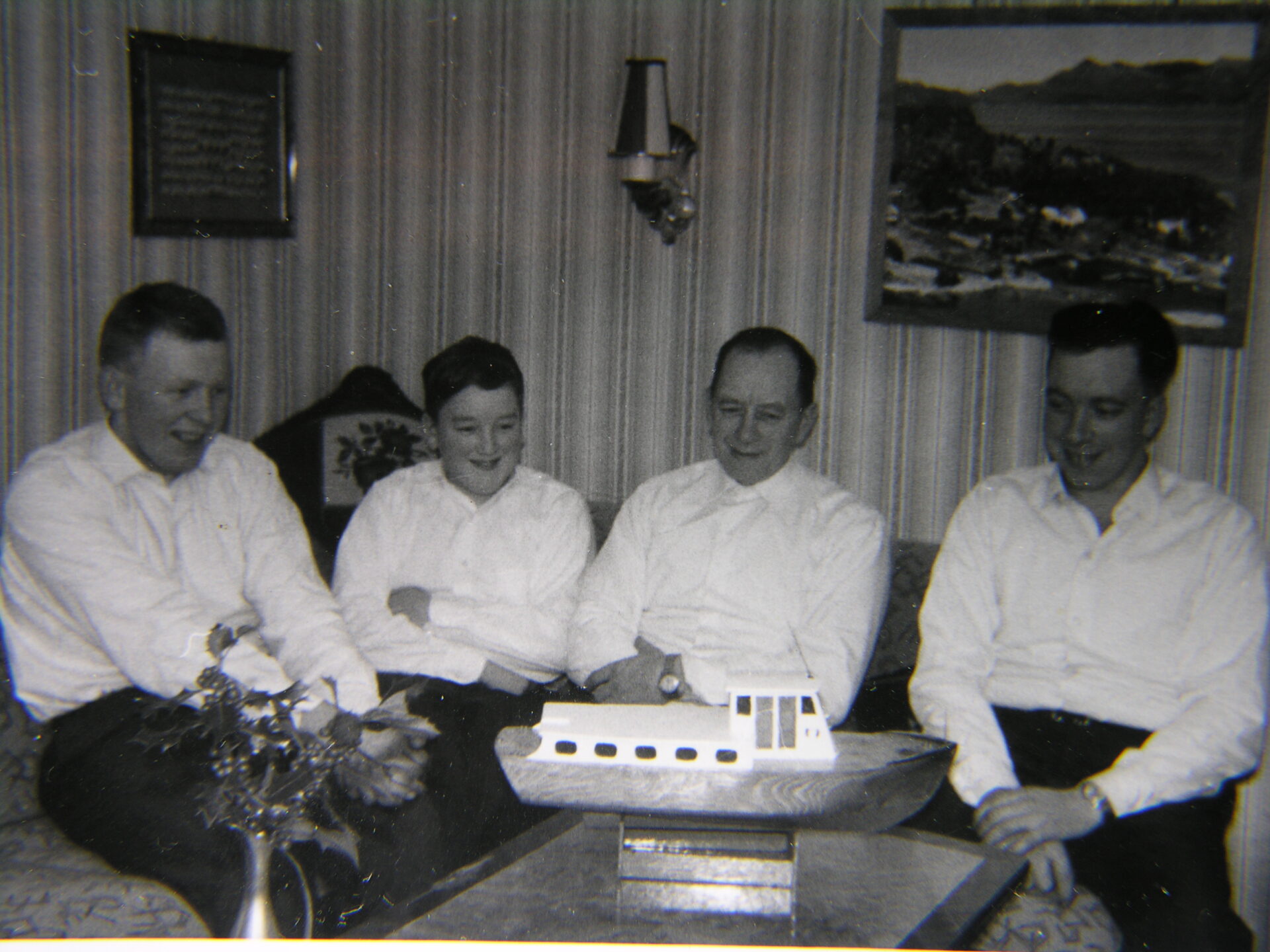
Seven decades after Ludvig bought «Trippen» for NOK 7,500, Rødne is Norway's largest family-owned high-speed boat company, with three business areas and a heritage that ties the fjord, the family and the future together.
Three generations, seven decades, and our boats still carry the Ryger name. From Børe Andreas at Norheimsberget to Rødnehuset in Stavanger, the story goes on.

